




Personalized board finder

Personalized board finder
Answer four quick questions about your experience, weight and typical waves. We only recommend options available in your selected country.
A practical size guide
Start with the board size, then compare the weight range, skill level and rider profile side by side. Your experience and local waves help make the final choice.
| Compare |
 |
 |
 |
 |
 |
 |
|---|---|---|---|---|---|---|
| Board size | 7'0" | 5'10" | 8'0" | 7'0" | 8'0" | 5'8" |
| Weight range | 100-190 lbs / 45-85 kg | Up to 160 lbs / 70 kg | 120-210 lbs / 55-95 kg | 100-190 lbs / 45-85 kg | 120-210 lbs / 55-95 kg | 130-175 lbs / 60-80 kg |
| Skill level | Beginner | Beginner | Beginner | Beginner | Beginner | Intermediate |
| Height & rider profile | Teens and adults seeking stability | Kids, teens and lighter adults | Adults and taller teens | Teens and adults seeking stability | Adults and taller teens | Intermediate teens and adults |
Surfboard buying guide
A good surfboard is not simply the longest or shortest option. The useful fit comes from matching your experience, rider weight and typical wave conditions with a board shape that helps you improve.
A soft top is a forgiving place to start when you are learning to paddle, catch waves and stand. More length and volume usually make takeoffs feel steadier.
Fish and funboard-style surfboards balance paddle power and turning. They can suit riders who want easy speed in smaller or softer waves.
Epoxy shortboards are more responsive and are usually best once you can paddle out, take off and turn with confidence.
Another way to ride
Bodyboards are a compact, prone-riding choice for beach days, kids, family sessions and riders who do not want to stand up.
Shop Bodyboards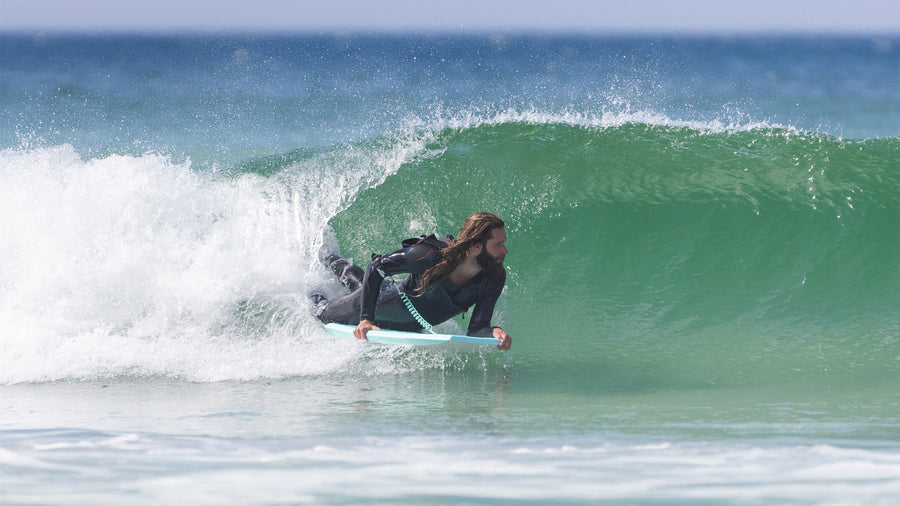
Clear answers before you choose a board.
Choose by experience, rider weight and the waves you ride most. New surfers usually benefit from a longer, higher-volume soft top because it is easier to paddle and more stable during takeoff. Use the comparison guide and product pages to check the stated rider range.
Most beginners start with a soft top. It offers a more forgiving surface and a stable platform for learning to paddle, catch waves and stand. Epoxy boards are generally better suited to riders who already have a reliable takeoff and want a more responsive feel.
A fish is commonly chosen for speed and flow in smaller or softer waves. A funboard balances glide and maneuverability. A shortboard is more responsive and is usually chosen by riders with more experience. The best choice also depends on your weight and local wave conditions.
No. Length is helpful, but volume, width, thickness, rider weight, skill level and wave conditions all affect paddling, stability and turning.
Recommendations and availability are based on the country selected in the store. If a model is not currently sold in your region, it is clearly labelled and is not presented as a purchase recommendation.
Included items vary by model and market. Check the individual product page before ordering for the current contents, specifications and availability.